Simple Font Font: A Friendly Typeface for Kid-Focused Designs
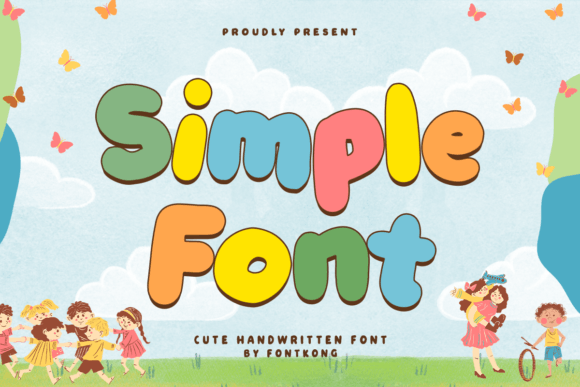
Every designer knows the challenge of finding a typeface that speaks to a young audience without feeling childish or hard to read. Simple Font Font solves this problem with its warm, rounded characters and approachable style. This display typeface captures attention while remaining clear, making it a valuable addition to any creative toolkit focused on children's content, education, or playful branding.
Why Rounded, Clean Typography Works for Young Audiences
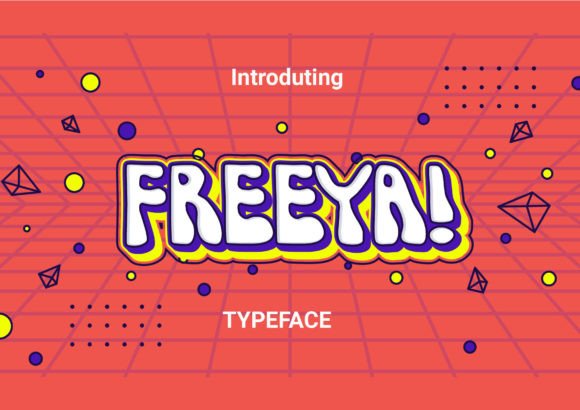
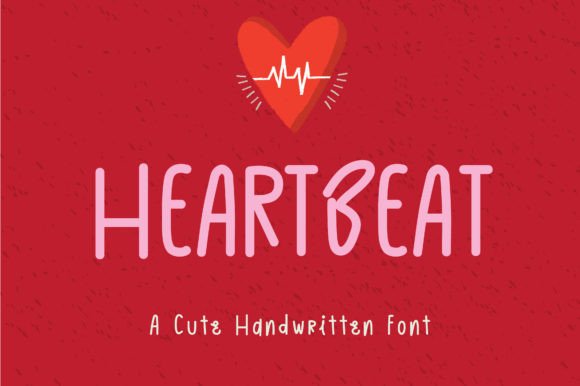
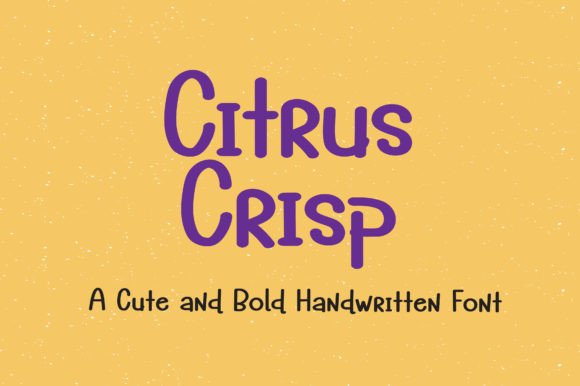
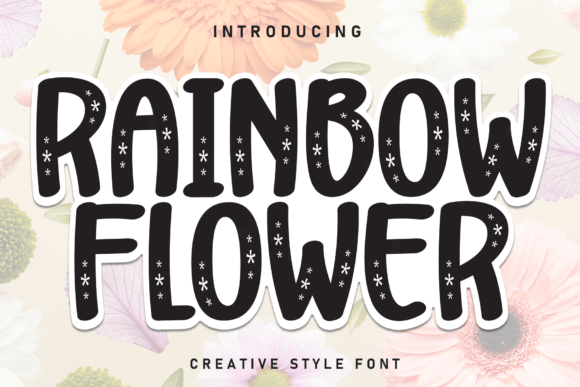
Children respond to visual clarity. When letters are too ornate or overly stylized, younger readers struggle to recognize them. Simple Font Display Kids Font takes a different approach by embracing simplicity as a design strength. Each character features soft curves, generous spacing, and a friendly demeanor that feels inviting rather than intimidating.
This design philosophy matters for practical reasons. A classroom worksheet needs to be legible at a glance. A birthday invitation should feel festive without overwhelming the text. A children's book cover has to grab attention on a crowded shelf. Simple Font Font handles all these scenarios because its visual personality aligns with how kids naturally process written information.
The rounded terminals and open letterforms create a sense of warmth. There is nothing sharp or aggressive about this typeface. It communicates safety, fun, and accessibility—the exact emotional tones most projects targeting children require.
Real Applications Across Creative Projects
Think about the range of projects where a kid-friendly display font makes a genuine difference. Educational publishers need typefaces that support early literacy without sacrificing visual appeal. Party planners want invitations that feel celebratory yet easy to read. Small business owners creating products for families need branding that resonates with both parents and children.
Here are some specific contexts where Simple Font Font shines:
- Children's book covers and interiors where readability directly impacts the reading experience
- Educational worksheets and flashcards that need clear letterforms for learning recognition
- Birthday party invitations and event materials that balance playfulness with essential information
- Kids' clothing brands and merchandise where typography becomes part of the product identity
- Social media graphics for family-focused businesses that need to stand out in crowded feeds
- Classroom posters and bulletin boards designed to engage students visually
- Packaging for children's toys, snacks, or craft supplies where shelf appeal drives purchase decisions
- Digital products like printable planners or activity sheets sold on creative marketplaces
- Blog headers and website banners for parenting or education-focused content creators
- Logo design for daycare centers, tutoring services, or pediatric brands
The versatility of this typeface extends beyond strictly children's projects. Any brand that wants to communicate approachability and friendliness can benefit from its visual qualities. Think of a bakery with a playful identity, a community center, or a family-oriented mobile app.
Building Brand Recognition Through Thoughtful Typography
Consistency is the foundation of strong brand identity. When a business uses the same typeface across its website, packaging, social media, and print materials, customers begin to recognize that visual language instantly. Choosing a premium font like Simple Font Display Kids Font gives brands a distinctive voice that competitors using default system fonts simply cannot match.
Consider a small business selling handmade children's toys. Using this typeface on product tags, the e-commerce website, Instagram posts, and thank-you cards creates a cohesive experience. Parents notice that consistency. It communicates professionalism and care, which builds trust over time.
The font's PUA encoding is a practical advantage here. Access to alternate glyphs and decorative swashes means designers can create variations within the same typographic family. A logo might use a swash version for flair, while body text on a website uses the standard characters for clarity. This flexibility supports visual variety without breaking brand consistency.
Pairing Simple Font Font with Other Typefaces
No typeface works in isolation. Smart designers think about how fonts interact with each other. Simple Font Font pairs well with clean sans serif fonts for body text. Its rounded, playful display characters contrast nicely with the neutrality of a simple geometric sans serif, creating a visual hierarchy that guides the reader's eye.
For projects that need a more traditional feel, pairing it with a soft serif font can work beautifully, especially in editorial layouts or book design. The key is contrast without conflict. The display font handles headlines and focal points, while the supporting typeface manages longer passages of text.
Avoid pairing it with other highly decorative or handwritten fonts, as this creates visual noise. The goal is complementary typography, not competition between styles. Test your pairings at different sizes and on different screens to confirm they work together in real conditions.
Readability Considerations for Mixed Audiences
Projects targeting children often need to serve multiple audiences simultaneously. A parent reads the invitation before a child does. A teacher reviews the worksheet before students use it. This means the chosen typeface must appeal to adult sensibilities while remaining functional for younger readers.
Simple Font Font strikes this balance effectively. Its clean construction looks polished and intentional to adult eyes, while its friendly shapes feel approachable to children. This dual appeal makes it suitable for projects where the purchasing decision rests with parents but the end user is a child.
Size matters with any display font. These typefaces are designed for headlines and short text blocks, not extended paragraphs. Use Simple Font Font for titles, headers, labels, and short phrases. Pair it with a highly readable body font for anything longer than a sentence or two. This approach maintains visual interest while preserving legibility across your entire design.
Practical Tips for Getting the Most from This Typeface
Before committing to any font for your project, take time to explore what is included. Review all available weights, styles, and alternate characters. Simple Font Font comes with decorative elements accessible through PUA encoding, so familiarize yourself with these options early in the design process.
Create a few test layouts before finalizing your choice. Mock up a social media post, a printed card, and a screen display. Check how the font renders at small sizes on mobile devices and at large sizes on printed materials. This testing phase prevents surprises later and ensures the typeface performs well across all your intended applications.
Pay attention to commercial licensing if you plan to use the font in client work, products for sale, or branded materials. Understanding the license terms protects your business and ensures you are using the asset appropriately. Most premium fonts include clear licensing information, so review it before starting production.
Finally, think about your project goals before selecting typography. A playful children's brand needs different visual language than a sophisticated editorial publication. Let the purpose of your design guide your font choice, and you will find that the right typeface becomes an essential part of your creative process rather than an afterthought.