Adding a Hand-Drawn Touch with 4th July Font
There is a distinct difference between a design that feels mass-produced and one that carries a personal signature. In a digital landscape saturated with sleek, perfect vectors, the organic imperfection of a sketched aesthetic often stops the scroll. If you are looking to bridge the gap between professional digital assets and the charm of hand-drawn art, the 4th July Font offers a compelling solution. This isn't just another standard typeface; it is a dingbats font specifically engineered to inject a celebratory, hand-crafted vibe into your projects. By utilizing a sketched theme, it provides the visual texture of illustration without the hours of manual drawing, making it an invaluable asset for designers, marketers, and hobbyists alike.
The Visual Appeal of the Sketched Aesthetic
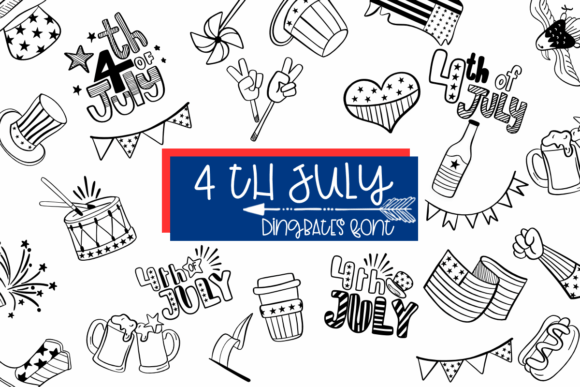
Understanding the visual mechanics of the 4th July Font helps in deploying it effectively. As a dingbats font, the characters are not standard alphanumeric keys but rather pictograms and symbols. The "sketched" descriptor is key here. Unlike heavy, solid geometric shapes, these graphics mimic the texture of pencil lines or brush strokes. This style creates an immediate sense of warmth and approachability. When a viewer sees a sketched element, they subconsciously associate it with human effort and creativity, rather than machine precision. This psychological trigger is crucial for brands wanting to appear authentic and relatable.
The visual versatility of this typeface lies in its ability to fit into various color palettes. Because the lines are sketched, you can layer these elements over complex backgrounds or photographs without them looking too rigid. They absorb the surrounding colors well, maintaining a cohesive look whether you are working on a rustic vintage project or a modern, colorful celebration theme.
Practical Applications for Creative Projects
The true value of a creative font lies in its application. The 4th July Font is particularly effective for projects that require a festive or DIY atmosphere. For wedding invitations, this font can serve as decorative flourishes, border elements, or thematic icons that replace standard bullet points. Imagine a save-the-date card where the details are framed by sketched fireworks or ribbons; it instantly elevates the stationery from a simple card to a keepsake.
For small business owners, especially those in the crafting or events sector, this font is a powerhouse for packaging design. If you sell homemade goods, party supplies, or artisanal products, using sketched icons on your labels creates a cohesive "maker" brand identity. It suggests that the product inside was made with care.
Here are specific ways to integrate this asset into your workflow:
- Logo Design: Use the sketched elements as a secondary icon or a "brand mark" to sit alongside your main wordmark. This works exceptionally well for bakeries, event planners, and lifestyle blogs.
- Social Media Graphics: Break up text-heavy Instagram posts or Pinterest pins by inserting dingbat elements as visual separators. A sketched star or ribbon can guide the viewer's eye down the page.
- Merchandise: If you are designing T-shirts, tote bags, or mugs, sketched dingbats often translate better to fabric printing than complex gradients, offering a vintage print feel.
- Editorial Layouts: In magazines or blog headers, use these symbols to create custom drop caps or section breakers that align with a specific theme, such as a summer issue or a patriotic celebration.
Strategic Branding and Marketing Assets
From a brand strategy perspective, consistency is king. However, consistency doesn't mean boring. The 4th July Font allows you to maintain a consistent theme across various touchpoints while adding visual variety. For example, a content creator planning a summer campaign can use these sketched elements across their email headers, PDF lead magnets, and website banners. This repetition builds brand recognition; your audience begins to associate that specific hand-drawn style with your content.
When using this font for marketing assets, consider the "sketched" nature as a bridge between formal and casual. It is professional enough for commercial use but casual enough to feel personal. This balance is difficult to strike with standard serif or sans serif fonts. By incorporating these dingbats into your web design, you soften the digital interface, making your website feel more like a curated magazine than a corporate brochure.
Integrating 4th July with Modern Typography
No font is an island. To get the most out of the 4th July Font, you must consider font pairing. Because this typeface is decorative and thematic, it should rarely be used for body text. Instead, pair it with clean, legible typefaces. A modern geometric sans serif pairs beautifully with sketched elements because the contrast between the rigid geometry and the organic sketch highlights both styles.
Alternatively, if you are going for a romantic or whimsical look, pairing the dingbats with a flowing script font can create a cohesive, elegant design perfect for invitations or greeting cards. The key is to ensure that the sketched elements do not compete with your text for attention. Use them to frame, accent, and decorate, rather than to communicate critical information.
Key Considerations for Professional Use
While the aesthetic appeal is high, practical considerations ensure your project runs smoothly. Readability is paramount, even with dingbats. Ensure that the symbols are sized appropriately for their medium. A sketched icon that looks charming on a desktop screen might become an unrecognizable blob on a mobile device or a small product label. Always zoom out and view your design at the actual size it will be printed or displayed.
Furthermore, when working with any premium font or design asset, always review the commercial licensing. If you are using the 4th July Font for a client's logo or for merchandise you intend to sell, you must ensure your license covers commercial distribution. This protects both you and your client legally and ensures the font creator is compensated for their work.
Before finalizing a design, test the font in different contexts. Place the sketched elements on dark backgrounds versus light ones. Try them in isolation and in clusters. This testing phase helps you discover unique ways to use the symbols that you might not have initially planned. By treating the 4th July Font not just as a set of icons but as a versatile design toolkit, you can significantly enhance the professional presentation and emotional impact of your creative work.