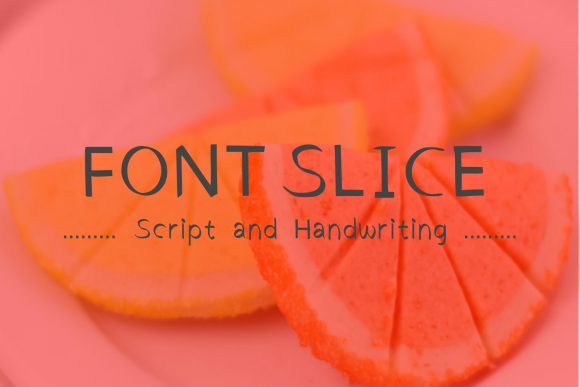
Font Slice: The Minimal Handwritten Font for Modern Projects
You've spent hours perfecting a logo, drafting social media captions, or designing a wedding invitation. The layout feels right, the colors pop, but something's missing. That final touch—a typeface that feels personal yet polished, casual yet intentional—is often what separates a good design from a memorable one. Enter Font Slice, a minimal and neat handwritten font designed to bridge that gap with effortless charm.
Unlike overly ornate script fonts that can feel dated or hard to read, Font Slice offers a clean, contemporary take on handwritten style. Its letters are crafted with subtle, organic variations that mimic natural pen strokes without sacrificing legibility. This balance makes it a versatile tool in any creative's toolkit, whether you're building a brand from scratch or refreshing an existing visual identity.
Why a Handwritten Font Like Font Slice Works So Well
Handwritten fonts tap into a universal desire for authenticity and connection. In a digital landscape crowded with sterile sans-serifs and predictable serifs, a typeface like Font Slice introduces warmth and approachability. It whispers "human-made" in a way that resonates with audiences tired of generic corporate aesthetics.
What sets Font Slice apart is its restraint. Many handwritten fonts overdo the loops and flourishes, creating visual noise that clutters a design. Font Slice keeps it simple. The letterforms are consistent in height and spacing, which means it reads beautifully even at smaller sizes—a common pain point with script fonts. This thoughtful design allows it to function as both a display font for headlines and a readable option for shorter body text blocks.
Practical Applications Across Creative Projects
The true test of any font is how it performs in real-world scenarios. Font Slice shines because of its adaptability. Consider how it might elevate these common projects:
- Brand Identity and Logo Design: A logo sets the tone for everything a brand communicates. Font Slice can lend a boutique, artisanal, or friendly vibe to a logo, making it ideal for small businesses, cafes, lifestyle brands, or personal blogs. It helps create a brand identity that feels approachable and memorable.
- Packaging and Labels: On product packaging, especially for handmade goods, cosmetics, or specialty foods, Font Slice adds a personal, crafted touch. It suggests care and attention to detail, which can influence purchasing decisions at a glance.
- Social Media Graphics: In the fast-scroll world of Instagram or Pinterest, a unique font stops the thumb. Font Slice is perfect for quotes, announcements, or call-to-action overlays on images. Its neatness ensures text remains clear even on mobile screens.
- Web Design and Blogs: Used sparingly for headings, pull quotes, or navigation menus, this font can break the monotony of standard web fonts, adding personality to a website without compromising load times or readability across devices.
- Print Materials and Invitations: From business cards to wedding invitations, Font Slice brings elegance and intimacy. It’s a top choice for event stationery, thank-you notes, and any print piece meant to feel special and personalized.
- Merchandise and Editorial Layouts: Think tote bags, mugs, or magazine headlines. Font Slice’s clean style translates well to physical products and can add a modern, editorial flair to layouts, making pages feel more dynamic and engaging.
Integrating Font Slice Into Your Design Workflow
Adopting a new font is more than just swapping out text. It’s about making strategic choices that serve your project’s goals. Here’s how to use Font Slice effectively:
Start with Purpose. Before you even open your design software, ask what you want the typography to achieve. Are you aiming for whimsical? Sophisticated? Casual? Font Slice leans toward friendly and modern, so it pairs best with projects that benefit from that energy. If your brand voice is ultra-luxurious or deeply traditional, you might need a different companion font.
Master Font Pairing. No font is an island. Font Slice works wonderfully alongside clean sans-serif fonts for body text. For example, pair it with a geometric sans-serif for a balanced, contemporary look, or with a classic serif for a more sophisticated contrast. The key is to let Font Slice handle the headlines or accent text, allowing its character to shine without overwhelming the viewer.
Test for Readability. Always test your chosen font in context. View your design at the actual size it will be used. Check how it looks on different screens and in print proofs. Font Slice’s legibility is one of its strengths, but factors like color contrast, background texture, and line spacing still play a critical role in ensuring your message is received clearly.
Explore the Full Family. A quality premium font often comes with multiple styles. Check if Font Slice includes variations like bold, italic, or alternate characters. These extras can give you more creative flexibility and help maintain visual consistency across different parts of a project, such as using a bolder weight for emphasis.
Making a Smart Choice for Your Creative Assets
When you invest in a creative font, you’re investing in a design asset that will see repeated use. Font Slice, as a commercial font, typically comes with a license that allows for broad application across client work, products, and digital platforms. Always review the licensing terms to ensure they match your intended use, especially if you plan to use it in merchandise for sale or large-scale distribution.
Ultimately, the best typography choices are those that feel invisible when they’re working well. They guide the eye, set a mood, and reinforce a message without drawing attention to themselves as a "font." Font Slice achieves this with its minimal, neat aesthetic. It doesn’t scream for attention; it simply makes everything it touches feel a bit more considered, a bit more human, and a lot more engaging. By adding it to your creative toolkit, you’re not just choosing a typeface—you’re adding a subtle but powerful voice to your visual communication.