Industrial: The Bold Display Font That Captures Raw, Authentic Character
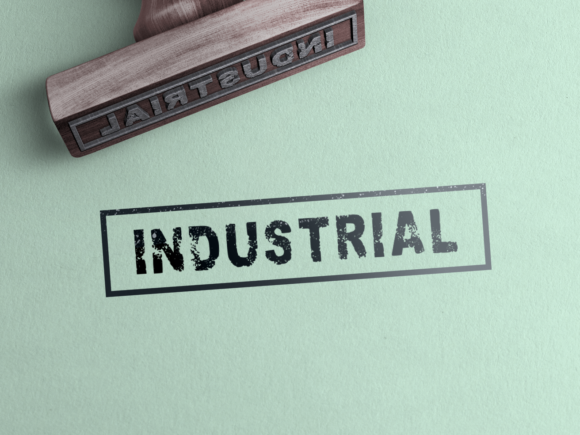
There’s a certain honesty in a stamp mark—the slight ink bleed, the imperfect pressure, the way it lands on paper with authority and a touch of grit. It’s a visual language that speaks of authenticity, craftsmanship, and a no-nonsense approach. Capturing that essence in a digital typeface is a challenge, but the Industrial display font does it with remarkable precision. It’s not just a collection of letters; it’s a mood, a texture, and a statement piece for your design toolkit.
For designers, entrepreneurs, and creators, finding a font that carries this kind of tangible character can transform a project. Industrial is more than a retro novelty; it’s a versatile workhorse for projects that need to communicate strength, heritage, or a handcrafted edge. Its carefully crafted roughness ensures it looks intentionally worn, not digitally flawed, making it a powerful asset for modern branding and visual storytelling.
A Typeface with a Story to Tell
Industrial belongs to the bold display font family, designed specifically for impact at larger sizes. Think of it as the typographic equivalent of a well-worn leather tool belt or a vintage workshop sign. The letters feature subtle irregularities in their outlines and a textured fill that mimics the absorption of ink into paper, creating a natural, stamped effect. This inherent roughness is its greatest strength, providing an organic quality that many polished, geometric fonts lack.
Unlike a traditional serif font or a clean sans serif font, Industrial’s personality is front and center. It’s not meant for body text in a lengthy report. Instead, it excels where attention and emotion are required. Its visual weight and unique texture make it a standout choice for logos, packaging headers, and social media graphics where you need to stop the scroll and make an immediate impression. The font often comes in various styles, allowing you to choose the perfect level of distress for your project’s tone.
Practical Applications Across Creative Projects
The true test of any premium font is how it performs in the real world. Industrial’s bold, stamp-like character opens up a world of creative possibilities, blending nostalgia with contemporary design needs.
- Branding & Logo Design: For a brand that values authenticity—think artisan coffee roasters, craft breweries, boutique distilleries, or rugged outdoor apparel—Industrial can form the cornerstone of a brand identity. A logo set in this typeface immediately suggests quality, tradition, and a hands-on approach. It pairs beautifully with simpler font pairing options for body copy.
- Packaging & Labels: On product packaging, Industrial can evoke a sense of small-batch quality and care. Use it for product names on coffee bags, beer labels, or artisanal food jars. The textured look integrates seamlessly with kraft paper, recycled materials, and earthy color palettes, enhancing the tactile experience of the product.
- Digital & Social Media: In the fast-paced world of social media, a creative font like Industrial helps your content stand out. It’s perfect for bold Instagram story headlines, eye-catching YouTube thumbnails, or Pinterest graphics promoting a workshop, sale, or event. The textured appearance adds depth and visual interest that flat, digital fonts often miss.
- Print & Editorial Layouts: From magazine covers and poster headlines to event flyers and book titles, Industrial commands attention. In editorial design, it can be used for pull quotes or section headers to break up monotonous layouts and inject energy into the page. It’s equally effective for invitations to rustic weddings or milestone celebrations.
- Merchandise & Marketing Assets: The font’s inherent cool factor makes it ideal for merchandise like t-shirts, hats, tote bags, and stickers. For marketing, it adds a layer of authenticity to email headers, website banners, and promotional materials, helping to create a cohesive and memorable visual experience for your audience.
How the Right Font Strengthens Your Message
Choosing a typeface isn’t just about aesthetics; it’s a strategic decision that impacts how your message is received. Using a display font like Industrial thoughtfully can offer tangible benefits for your project’s success.
First, it builds visual consistency. When you use a distinctive font like Industrial across your logo, website, and social media, you create a recognizable visual thread. This consistency is foundational for strong brand recognition. Your audience starts to associate that specific typographic style with your business, making you more memorable in a crowded market.
Second, it enhances professional presentation. A well-chosen, high-quality font signals that you care about the details. It shows an understanding of visual communication and elevates the perceived value of your product or service. This isn’t about being fancy; it’s about being intentional and polished.
Finally, it boosts audience engagement. A font with personality and character, like Industrial, can evoke an emotional response—nostalgia, excitement, trust, or curiosity. This emotional connection is far more powerful than a neutral, forgettable typeface. It helps your content resonate on a deeper level, whether it’s on a product label, a blog header, or a social media ad.
Working with Industrial: Tips for Success
To get the most out of this bold typeface, a few practical considerations will ensure your designs look sharp and effective.
Context is Key: Always consider your project’s overall tone and audience. Industrial is perfect for projects aiming for a vintage, rugged, industrial, or artisanal feel. It might be less suitable for a corporate law firm’s annual report but could be perfect for a startup’s edgy brand launch. Understanding this alignment between font personality and project goals is crucial.
Mastering Font Pairing: Because Industrial is so distinctive, it’s best used as a headline or accent font. Pair it with a clean, highly readable sans serif font or a simple serif font for body text. This contrast ensures readability while allowing Industrial’s character to shine without overwhelming the viewer. A good rule of thumb is to pair a decorative font with a neutral one.
Readability at All Sizes: While Industrial is designed for impact, always test its readability in your specific context. Check how it looks in a website headline versus a small logo icon. Its textured details may need to be simplified or the font used at a larger size for very small applications to maintain clarity.
Explore the Included Styles: Many premium font packages, including potential versions of Industrial, come with multiple styles—such as regular, bold, italic, or varying levels of distress. Take time to explore these options. Sometimes a slightly different weight or a less distressed version will be the perfect fit for a particular use case, like a subtle website subtitle versus a bold poster title.
Understand the License: If you plan to use Industrial for commercial projects—which is likely for logos, merchandise, or client work—ensure you have the appropriate commercial font license. This is a critical step for any design asset. Always review the licensing terms to understand what’s permitted, whether it’s for a single project, unlimited use, or specific types of merchandise.
In the end, a font like Industrial is more than just a set of characters. It’s a tool for storytelling. It brings a piece of physical history and tactile honesty into the digital space, allowing you to craft visuals that feel grounded, authentic, and powerfully human. By understanding its strengths and applying it with intention, you can create designs that don’t just look good—they feel real.