The Station Font: Adding Handwritten Warmth to Your Work
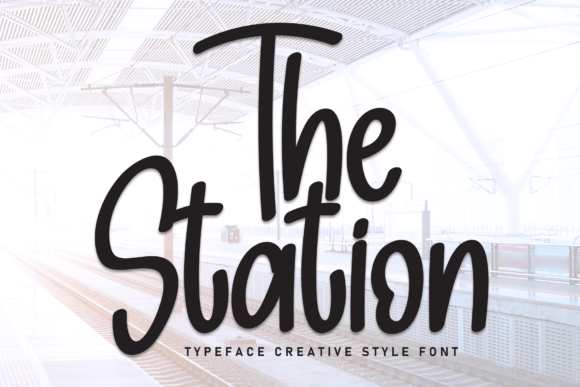
There's something undeniably special about a handwritten note. It feels personal, immediate, and full of character. In a world saturated with clean, digital perfection, that human touch can be a powerful differentiator. This is the exact feeling The Station Font captures so beautifully. It's not just a typeface; it's a vibe—a sweet, friendly, and slightly playful handwritten display font that brings instant warmth to any project it graces.
A Font with a Friendly Face
So, what exactly makes The Station Font so visually appealing? At its core, it's a handwritten font that feels authentic without sacrificing clarity. The letterforms have a natural, slightly uneven flow, mimicking the organic movement of a pen or marker. This gives it a charming, approachable personality that feels far from sterile or corporate. It's the kind of script font that doesn't take itself too seriously, making it perfect for designs that aim to connect on a personal level. Whether you're a small business owner crafting your brand's voice or a content creator designing social media posts, this creative font offers a refreshing alternative to more formal serif fonts or rigid sans serif fonts.
Practical Magic: Where to Use This Sweet Typeface
The true value of a premium font like The Station lies in its versatility. It’s a design asset that can solve multiple visual communication challenges. Let's explore some real-world applications where this font can truly shine.
For branding and logo design, it’s a fantastic choice for businesses that want to project a friendly, artisanal, or boutique feel. Think of a local bakery, a handmade soap company, a yoga studio, or a children's boutique. The font instantly communicates care, personality, and a hands-on approach. In packaging design, it can make a product feel more special and considered, turning a simple label into a conversation starter.
When it comes to digital presence, The Station Font is a powerhouse for social media graphics and web design. Its handwritten style stops the scroll, adds personality to quotes or announcements, and makes Instagram stories or Pinterest pins feel more personal and engaging. For blogs and websites, it works wonderfully for headings, pull quotes, or accent text, adding a layer of visual interest that complements a cleaner body font. It’s a key player in creating a cohesive brand identity across all digital touchpoints.
Don't overlook print! This font is ideal for invitations—from weddings to birthday parties—as well as greeting cards, thank-you notes, and posters. It adds a celebratory and heartfelt tone that pre-printed fonts often lack. For editorial design in magazines or zines, it can be used for feature titles or callouts to inject a burst of personality. Even on merchandise like tote bags, mugs, or t-shirts, its fun, legible style can make designs more marketable and appealing.
Making It Work: Pairing and Professional Polish
While The Station Font is delightful on its own, smart font pairing is what elevates a design from good to great. A common and effective strategy is to pair a expressive display font like this one with a highly readable neutral font. For example, using The Station for your main headline and a clean, geometric sans serif font for body text creates a beautiful contrast. The handwritten element draws the eye, while the simpler font ensures longer passages of text remain easy to read.
Readability is always a crucial consideration. Because it's a display font, The Station is best used for shorter bursts of text—headlines, subheadings, logos, and accent words. Avoid using it for long paragraphs in small sizes, as its charming details can become hard to decipher. Always test your designs at the actual size they'll be viewed, whether on a phone screen or a printed poster.
Before finalizing your project, take a moment to review the full character set of the font. A good typeface often includes alternate letters, ligatures, and stylistic sets that allow for more customization and a more natural, handwritten flow. Experimenting with these can help you avoid repetitive letter shapes and make your typography feel even more authentic.
Thinking About Your Project Goals
Ultimately, choosing a font like The Station is about aligning your typography with your project's core message and audience. Ask yourself: What feeling do I want to evoke? Who am I trying to reach? If the goal is to appear approachable, creative, fun, and personal, then a handwritten font is an excellent strategic choice. It helps build visual consistency across your materials when you use it strategically for key elements, strengthening brand recognition and making your overall presentation feel more professional and thoughtfully curated.
For entrepreneurs and marketers, this kind of modern typography choice is a subtle but powerful tool for audience engagement. It makes your communications feel less like a broadcast and more like a conversation. In a crowded marketplace, that personal connection can be what makes someone stop, read, and remember you.
Just remember the practical side: always check the commercial licensing terms of any font you purchase to ensure it covers your intended use, whether for client work, merchandise, or digital products. Using fonts correctly is part of maintaining a professional and ethical practice.
In the end, The Station Font is more than just letters on a page. It's a tool for storytelling, a way to infuse your work with genuine warmth, and a simple method to make your designs feel more human. Whether you're crafting a wedding invitation, building a brand from the ground up, or just looking to add a touch of fun to your next project, it’s a worthy addition to your typographic toolkit.