Isometric: A Bold Blackletter for Modern Branding
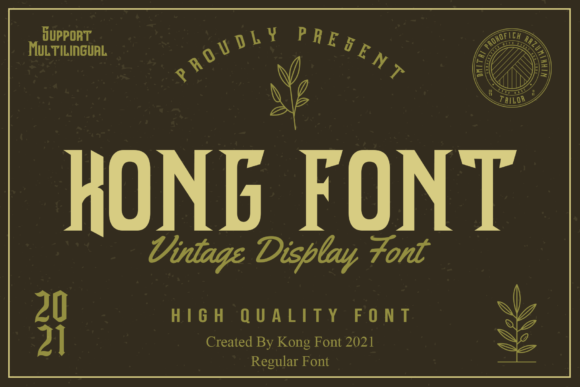
There's a particular kind of confidence that comes from typography that doesn't whisper. It arrives, makes its presence known, and anchors a design with undeniable weight. If your projects demand that kind of visual authority—a blend of historical gravitas and contemporary edge—Isometric is a typeface that deserves your attention. This isn't a delicate script or a neutral sans-serif; it's a cool, bold, and thick-lettered blackletter font engineered for impact. Its structured, geometric forms give a modern twist to a classic style, making it surprisingly versatile for today's creative landscape.
More Than Just Old-Fashioned Lettering
Blackletter fonts often get pigeonholed as "old-timey" or suitable only for a narrow set of themes. Isometric challenges that assumption. Its design retains the intricate, angular strokes of traditional blackletter but executes them with a clean, almost architectural precision. The letters feel built, not just drawn. This gives it a unique personality: it carries the weight and tradition of a serif font but with a graphic, display-oriented punch that works beautifully in contemporary contexts. Think of it as the typography equivalent of a modern building with classic stone detailing—it respects the past while firmly living in the present.
This balance is key to its practical appeal. For a brand identity, Isometric can instantly communicate heritage, craftsmanship, and durability without feeling outdated. It’s a font that says "established" and "innovative" at the same time. For a craft beer label, it evokes tradition and artisanal quality. For a tech startup's logo, it can suggest foundational strength and cutting-edge design. The visual consistency it brings to a project is powerful; using Isometric across a logo, website headers, and marketing materials creates an unmistakable and professional thread that ties everything together.
Practical Applications Across Creative Projects
Where does a typeface like Isometric truly shine? Its strength lies in high-impact, attention-grabbing roles. As a display font, it’s built for headlines, logos, and branding elements where first impressions are critical. Its thick letterforms ensure legibility even at smaller sizes when used judiciously, but it’s in large-scale applications where its character really comes alive.
- Branding & Logo Design: Isometric can form the backbone of a brand's visual identity. It’s particularly effective for businesses that want to project values like resilience, expertise, or luxury. A law firm, a bespoke furniture maker, or a high-end barbershop could use it to establish a distinct and memorable mark.
- Packaging Design: On shelves crowded with minimalist sans-serifs and playful scripts, Isometric demands a second look. It’s ideal for product lines where the packaging itself tells a story of heritage or premium quality—think specialty foods, spirits, or cosmetics.
- Social Media & Web Graphics: In the fast-scroll of a social feed, a bold Isometric header on a promotional graphic or a blog post title can stop the scroll. It lends instant authority to quotes, announcements, and featured content, improving audience engagement through sheer visual force.
- Print & Editorial Layouts: For magazines, posters, or event invitations, Isometric can set a dramatic tone. It’s perfect for chapter titles in a book, section headers in a report, or the main headline on an event poster, adding a layer of editorial design sophistication.
- Merchandise & Decorations: The font's graphic nature translates exceptionally well to physical products. Imagine it on a band t-shirt, a branded tote bag, or even custom signage. Its clarity ensures the message is seen, whether on a coffee mug or a wall decoration.
When considering readability, context is everything. Isometric is not your best choice for long paragraphs of body copy—that's the domain of a clean serif or sans-serif font. Instead, use it strategically for short, impactful text. Pair it with a highly legible, neutral font for secondary information. A classic combination might be Isometric for headings with a simple, geometric sans-serif for body text. This creates a clear hierarchy, guides the viewer's eye, and ensures your message is both seen and easily understood.
Integrating Isometric Into Your Design Workflow
Choosing a font is just the first step; using it effectively is what separates good design from great. Here’s some practical advice for working with a premium font like Isometric.
First, always review the full character set and any included font styles. Many premium fonts come with alternates, ligatures, or stylistic sets that can add unique flair to your lettering. For a blackletter typeface like Isometric, these extras can be crucial for creating custom ligatures that improve the flow and uniqueness of your logo or headline.
Second, test your font pairings rigorously. Create a mood board or a simple test document where you combine Isometric with other typefaces you're considering. Does it clash with your chosen script font, or does it complement it? The goal is visual harmony, not competition. A good pairing lets each font play its role without overwhelming the design.
Third, never overlook commercial licensing. If you're using Isometric for a client project, merchandise, or any commercial venture, ensure your license covers that use. Reputable foundries and marketplaces are clear about licensing terms. Respecting this not only keeps you legally compliant but also supports the type designers who create these valuable design assets.
Finally, consider the mood and audience. Isometric's bold blackletter style carries a specific connotation. It’s perfect for projects targeting an audience that appreciates tradition, craftsmanship, or a bold aesthetic. For a playful children's brand or a minimalist skincare line, it might not be the right fit. Understanding the psychology of your typeface choice is a core part of effective visual communication.
In the end, Isometric is a creative font that offers a distinctive voice. It’s a tool for designers, entrepreneurs, and creators who want to make a statement that’s both rooted in history and strikingly contemporary. By leveraging its bold personality in the right contexts and pairing it thoughtfully, you can elevate your projects with a level of visual consistency and professional presentation that truly engages your audience. It’s more than just letters; it’s a design decision that speaks volumes before a word is even read.