Play Ink: The Bubbly Font That Brings Designs to Life
There's a certain magic in a font that makes you smile before you've even read the words. It's not just about legibility or style—it's about feeling. A typeface can whisper professionalism, shout excitement, or giggle with charm. For designers, entrepreneurs, and creators working on projects meant for families, children, or playful brands, that last quality is pure gold. Enter a typeface that doesn't just sit on the page; it bounces, it winks, and it invites everyone to come play. This is the essence of a well-crafted display font, one that captures the very spirit of childhood wonder and translates it into a versatile design tool.
More Than Just a Pretty Typeface
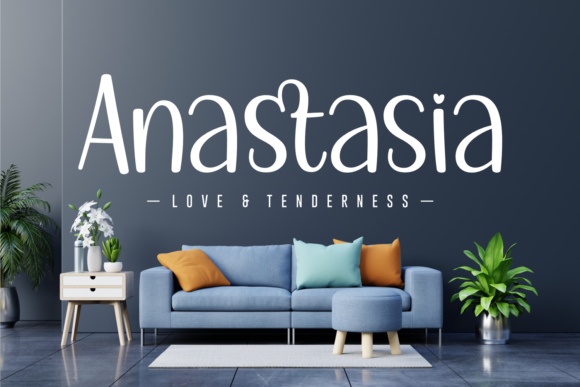
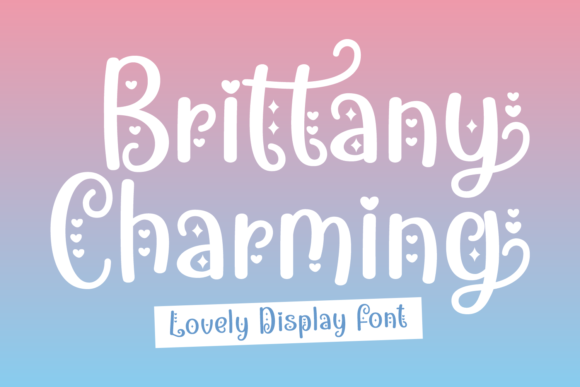
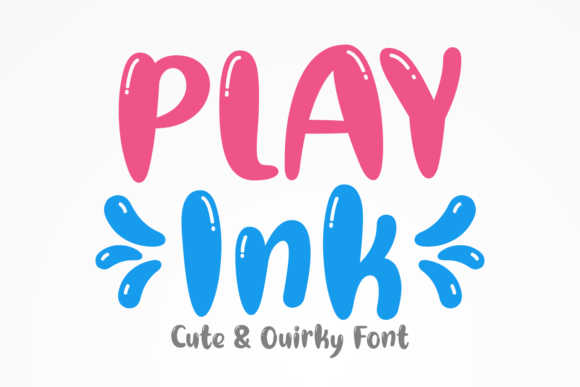
At its core, this font is a chic and bubbly display font. The letterforms are crafted with rounded edges, soft curves, and a sense of joyful movement. Think of the letters you might see on a favorite storybook cover, a vibrant cereal box from your childhood, or the cheerful signage at a family-friendly event. It embodies playfulness and authenticity in equal measure, making it feel genuine and approachable rather than overly cartoonish or cheap. This balance is crucial. A font that feels too juvenile can undermine a brand's credibility, while one that's too sterile can fail to connect with a younger audience or convey a sense of fun. This particular typeface walks that line beautifully, offering a professional yet whimsical aesthetic.
Visually, its strength lies in its personality. Each character seems to have its own little bit of character, yet they all work together harmoniously. The consistency in its weight and spacing ensures that even with its playful flair, it remains highly readable in headlines and short bursts of text. This makes it an ideal candidate for logo design, where a brand's name needs to be instantly recognizable and emotionally resonant. For a children's boutique, a tutoring service, a creative studio, or a family blog, this font can become the cornerstone of a memorable brand identity. It’s the kind of design asset that does a lot of the heavy lifting in communication, instantly setting a tone of warmth and creativity.
Practical Magic: Where This Font Truly Shines
Understanding a font's personality is one thing; knowing how to apply it effectively is where real value is created. This isn't a typeface for setting long paragraphs of body text. Instead, it’s a specialized tool for specific, high-impact jobs. Its true power emerges in projects designed to capture attention and evoke a specific, joyful emotion.
Consider its application in packaging design. A snack brand for kids, an artisanal candy maker, or a line of colorful art supplies could use this font on their boxes, labels, and wrappers. It immediately communicates the product's fun, creative nature on a crowded shelf. Similarly, for social media graphics, it’s a standout choice. Instagram stories, Facebook ads for family events, or Pinterest pins for DIY craft tutorials gain an instant boost of energy and relatability. The font helps content stand out in a fast-scrolling feed, increasing the likelihood of engagement.
For print materials like posters for a school play, flyers for a summer camp, or invitations for a child's birthday party, the effect is equally powerful. It sets the mood from the very first glance. In the digital space, it can be used strategically on websites—perhaps for a hero section headline, a call-to-action button, or section headers on a blog focused on parenting, education, or creative hobbies. It adds a layer of personality that helps a site feel less generic and more connected to its audience.
The applications extend further into the realm of merchandise. Imagine this font on a tote bag, a t-shirt, or a set of stickers. Its bubbly form is perfect for products that celebrate creativity and childhood. For educators and small business owners creating digital products like educational worksheets, printable planners, or activity books, incorporating this font into titles and headings makes the materials more engaging for young users. It transforms a simple worksheet into an exciting activity.
Strategic Pairings and Smart Implementation
Using a display font effectively often involves pairing it with a more neutral companion. Because this typeface is so full of personality, it works best when balanced with a clean, simple sans serif or serif font for body text. A pairing with a modern, geometric sans serif font creates a contemporary and friendly look. Combining it with a classic, easy-to-read serif font can yield a more sophisticated yet still approachable feel, perfect for a brand that wants to seem both trustworthy and fun. The key is contrast in function: let the display font handle the emotional headlines, and let its partner handle the informational details.
Before committing, always test the font in context. Does it look as good at a small size on a mobile screen as it does large on a poster? Check the readability of tricky letter combinations. Review the full character set—does it include the numerals, punctuation, and any special characters your project requires? A good premium font often includes multiple styles, such as regular, bold, or italic, which provide valuable flexibility for creating hierarchy within your designs.
One of the most important practical considerations is licensing. For any commercial project—whether it's client work, products for sale, or monetized content—ensuring you have the correct commercial license is non-negotiable. This protects both you and the font creator. Always download and review the license agreement that comes with the font file. Many high-quality fonts are offered as freebies for personal use, with clear options for purchasing a commercial license. Respecting these terms is a fundamental part of professional practice.
The Authentic Touch in a Digital World
In an era saturated with digital noise, authenticity cuts through. A font that feels handmade, warm, and genuinely playful can be a secret weapon for connecting with an audience on an emotional level. It signals that a brand or project doesn't take itself too seriously, that it values creativity, and that it speaks the language of its intended community. This isn't about following a trend; it's about choosing a tool that aligns perfectly with a project's core message.
Whether you're a designer crafting a full brand identity for a new children's line, a blogger looking to refresh your site's headers, a crafter designing a line of greeting cards, or a marketer developing a campaign for a family-oriented service, the right typographic choice is a strategic one. It’s about finding a typeface that doesn't just look good, but feels right. One that adds a layer of meaning and emotion to your visual communication. By adding a thoughtful, character-driven font like this to your toolkit, you're not just choosing letters; you're choosing a voice. And in a crowded market, having a distinctive, joyful voice is what helps your creations truly stand out and resonate.