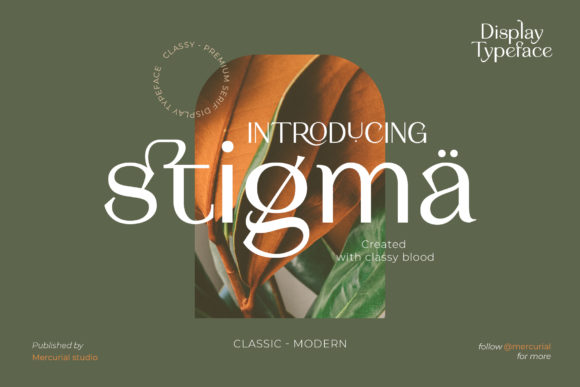
Stigma Font: A Designer's Guide to Its Cool, Readable Style
Let's be honest, finding a font that feels both fresh and functional can feel like a treasure hunt. You want something with personality that doesn't sacrifice clarity, something that looks great on a screen and in print. That's where a typeface like Stigma Font enters the conversation. It's not just another pretty face in the font library; it's a display font that's been crafted to be a true workhorse for creative minds. Think of it as the stylish friend who's also incredibly reliable—it brings a cool, trendy vibe to your work while staying perfectly readable, which is a rare and valuable combination.
More Than Just a Pretty Typeface
What exactly makes Stigma Font stand out in a sea of options? It's all in the details of its design. As a premium font, it's built with intention. The letterforms have a modern, confident structure that feels current without being fleeting. It's the kind of display font that commands attention in a headline or logo but doesn't scream for it. The balance between its stylistic flair and its legibility is masterfully done. This isn't a font you'll struggle to read at a distance on a poster or when scrolling quickly past a social media graphic. It maintains its cool factor while ensuring your message gets across clearly, which is the ultimate goal of any good typeface.
Putting Stigma to Work: From Branding to Blog Posts
The real test of any font is how it performs in real projects. Stigma's versatility is one of its strongest assets. For branding and logo design, it can become the cornerstone of a visual identity. Imagine a boutique coffee brand, a tech startup, or a lifestyle blog using Stigma for their wordmark—it instantly sets a tone that's modern and approachable.
Beyond the logo, think about packaging design. A font like Stigma can make a product stand out on the shelf, conveying quality and style. For social media graphics, it's a game-changer. Its readability at various sizes makes it perfect for Instagram posts, Facebook ads, or Pinterest pins where you need to grab attention fast. It works beautifully for website headers, blog post titles, and even short blocks of introductory text, adding a layer of modern typography that elevates the entire user experience.
Don't forget the tangible world. Stigma shines in print materials like business cards, brochures, and posters. Its clear letterforms ensure professionalism. For merchandise like t-shirts or mugs, or for invitations to events, it offers a stylish yet readable solution. Even in editorial layouts for magazines or lookbooks, it can be used for pull quotes and section headers to create visual interest and break up text.
The Practical Side of Choosing Your Font
Picking a font is a practical decision as much as an aesthetic one. First, consider the font personality. Does the cool, confident style of Stigma match your project's voice? It's perfect for brands and creators who want to appear contemporary, innovative, and clear. Always test it against your project goals. A children's party invitation might need something softer, while a fitness brand's promotional poster would be a great fit.
Next, think about font pairing. Stigma, as a strong display font, often works best when paired with a simpler, neutral sans serif font or even a clean serif font for body text. This creates a hierarchy that's easy on the eyes. For example, use Stigma for all your headlines and subheadings, and pair it with a font like Open Sans or Lora for paragraphs. This ensures visual consistency across your brand materials while maintaining excellent readability.
Always review the font styles included with your purchase. Does it come with bold, italic, or condensed versions? These variations give you more tools to create emphasis and variety within your designs. And importantly, check the commercial licensing. If you're using it for a client project, merchandise for sale, or a digital product you'll distribute, you need to ensure the license covers that use. This is a crucial step to protect yourself and your work.
Building a Recognizable Brand with Consistent Typography
Consistency is the secret sauce of good branding. When you use a distinctive yet readable font like Stigma across all your touchpoints—from your website to your email newsletters, from your invoices to your social media stories—you build brand recognition. Your audience starts to associate that specific typographic style with you. It becomes a visual shortcut to your identity.
This consistency also boosts professional presentation. It shows attention to detail and care in your craft, which builds trust. Furthermore, good typography directly impacts audience engagement. If your text is easy and pleasant to read, people are more likely to stick around, absorb your message, and take the desired action, whether that's making a purchase, reading a blog post, or signing up for a newsletter.
Finding Your Creative Flow with the Right Tools
In the end, a font like Stigma is a tool—a particularly versatile and well-designed one. It's for the designer who needs a go-to creative font for client work, the entrepreneur building a brand identity from scratch, the content creator looking to make their graphics pop, or the hobbyist crafting beautiful materials. It bridges the gap between being a standout design asset and a practical component of effective visual communication.
So, when you're next diving into a project, consider the role typography plays. Will the font you choose support your message, connect with your audience, and represent your style accurately? For many projects that call for a modern, clean, and engaging aesthetic, Stigma Font offers a compelling answer. It’s designed not just to be seen, but to be understood and remembered.