Valeska: The Calligraphy Font That Dances on Your Designs
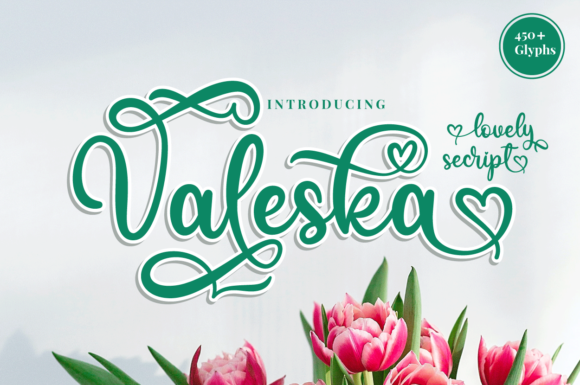
There's a particular magic that happens when letterforms seem to move on their own—when curves flow like a brushstroke caught mid-air and connections between characters feel organic rather than mechanical. Valeska captures that energy beautifully. This romantic calligraphy typeface brings a sense of warmth and luxury to projects without trying too hard, and that's exactly what makes it worth exploring for your next creative endeavor.
Why Handwritten Elegance Still Wins Attention
In a landscape saturated with clean geometric sans serifs and predictable corporate fonts, a well-crafted script typeface stands out precisely because it feels human. Valeska's characters dance along the baseline with a natural rhythm that mimics actual handwriting—not the stiff, digitized kind that looks like a robot tried cursive for the first time, but the flowing, confident strokes of someone who understands letter connections and visual pacing.
What sets this particular script font apart is its balance. Some calligraphy typefaces lean so far into decorative flourishes that they become illegible at smaller sizes. Others strip away personality until they might as well be a standard serif. Valeska sits in a sweet spot where the letterforms maintain their romantic character while remaining functional across a range of applications. The swashes and alternates feel intentional rather than excessive, giving you flexibility without overwhelming the design.
Where Valeska Truly Shines in Real Projects
Think about the last time a brand's typography made you pause mid-scroll. Chances are it involved a font with genuine personality—one that communicated something beyond the words themselves. That's the opportunity Valeska presents across multiple design contexts.
Branding and Logo Design: For businesses in beauty, wellness, fashion, hospitality, or artisan goods, a script typeface like Valeska can become the cornerstone of a brand identity. It works particularly well for boutique brands that want to signal craftsmanship and personal touch. Imagine it paired with a clean sans serif for a wedding photography studio, a handmade candle company, or a specialty bakery. The key is letting the script handle the hero moments—logos, primary wordmarks, featured headlines—while relying on simpler typefaces for body copy and supporting text.
Packaging Design: Shelf presence matters enormously, and typography plays a massive role in whether someone reaches for your product or keeps walking. Valeska's luxurious feel makes it a natural fit for premium packaging—think artisanal chocolates, organic skincare lines, specialty teas, or small-batch spirits. The flowing letterforms communicate quality and care before a customer even reads the product description.
Invitations and Event Materials: This is perhaps the most intuitive application. Wedding invitations, save-the-date cards, gala programs, and event signage all benefit from a typeface that feels celebratory and personal. Valeska's PUA encoding means you can access special glyphs and ligatures that add those finishing touches—decorative swashes on initial letters, elegant connections between specific character pairs—that elevate an invitation from pleasant to genuinely stunning.
Social Media and Digital Content: Here's where many designers overlook script fonts. Used strategically in social media graphics, Valeska can create eye-catching quote posts, sale announcements, or brand story highlights. The trick is restraint. A single line of Valeska as a headline, combined with a straightforward body font, creates visual hierarchy that stops the scroll without sacrificing readability. Instagram stories, Pinterest pins, and Facebook cover images all benefit from that kind of typographic contrast.
Practical Tips for Working with a Calligraphy Typeface
Script fonts demand more thoughtful implementation than their sans serif counterparts. Here's what experienced designers keep in mind:
Font pairing is everything. Valeska needs a grounding partner. A geometric sans serif like Montserrat or a classic serif like Playfair Display creates productive tension—elegant meets structured, expressive meets dependable. Avoid pairing it with other decorative fonts, which creates visual chaos rather than harmony.
Size matters significantly. Calligraphy typefaces read best at larger sizes where their details can breathe. Use Valeska for headlines, subheadings, pull quotes, and featured text. For anything below 16 pixels or 14 points, switch to something designed for smaller rendering. Your audience will thank you.
Spacing requires attention. Because script fonts have connecting strokes, letter-spacing values that work perfectly for a sans serif will break the visual flow of a calligraphy typeface. Test your tracking carefully, and pay attention to how specific letter combinations interact. This is where those ligatures included with Valeska become genuinely useful—they solve awkward connections that generic spacing adjustments cannot.
Color and contrast deserve consideration. Thin, flowing strokes can disappear against busy backgrounds or low-contrast color combinations. Ensure your Valeska text sits on clean, high-contrast surfaces. White on dark, dark on light, or carefully chosen brand colors against solid backgrounds all work reliably.
Making the Most of What's Included
One practical advantage worth mentioning: Valeska's PUA encoding means every glyph and ligature is accessible through standard software without requiring specialized design applications. Whether you're working in Adobe Illustrator, Canva, Procreate, or even basic design tools, the full character set is available to you. This matters for small business owners and content creators who might not have access to professional design suites but still want professional results.
Take time to explore the included alternates and swashes before committing to a final design. Often, swapping a standard lowercase "g" for its alternate version or adding a flourish to a capital letter transforms adequate typography into something that feels custom-designed. That level of refinement is what separates polished brand materials from amateur attempts.
Commercial Use and Licensing Reality
Before incorporating any premium font into client work or commercial products, verify the licensing terms. Most quality typefaces like Valeska include commercial licenses that cover logos, merchandise, printed materials, and digital products—but specifics vary. Read the license agreement. Know whether it covers unlimited projects or a set number. Understand restrictions around embedding fonts in apps or distributing files. This isn't exciting work, but it protects both you and your clients from unexpected complications down the road.
The investment in a properly licensed creative font typically pays for itself quickly. A single logo project, a product packaging refresh, or a marketing campaign that actually converts covers the cost many times over. Consider it a design asset rather than an expense—the same way you'd budget for quality photography or professional printing.
Finding the Right Fit for Your Project
Not every project needs a calligraphy typeface, and recognizing when not to use a font is just as important as knowing when to deploy it. Valeska works best when your project calls for warmth, elegance, personal connection, or artisanal quality. It's less suited for technical documentation, corporate reports, or interfaces requiring dense information hierarchy.
Consider your audience's expectations alongside your aesthetic goals. A hand-lettered script resonates powerfully with consumers seeking authentic, personal brands. It communicates "a real person made this with care." For businesses built on relationships, craftsmanship, and emotional connection—that's exactly the message worth sending.
Ultimately, the best typography decisions come from testing in context. Set your actual headlines in Valeska. View them at the sizes your audience will encounter. Print a sample if your project involves physical materials. Check how the letterforms interact with your photography, your color palette, your overall visual system. A font that looks gorgeous in a specimen sheet might need adjustment in your specific application, and that's completely normal.
What matters is that the typeface serves the story you're telling—visually, emotionally, and practically. When the right calligraphy font meets the right project, the result feels inevitable, like those letters were always meant to exist in exactly that arrangement. That's the potential worth exploring.