Gient: The Handwritten Font That Feels Like Your Brand’s Handshake
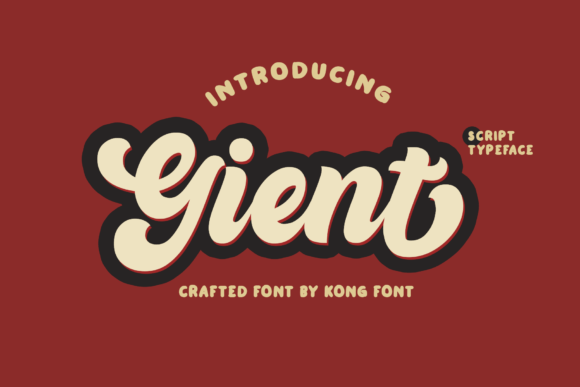
There’s a moment in every creative project where the typography either clicks or it doesn’t. You know the feeling—you’ve nailed the color palette, the imagery is spot-on, but the text feels sterile, disconnected, or overly formal. That’s where a typeface with genuine character becomes your secret weapon. Gient is that kind of font: a modern, playful handwritten script designed to inject warmth and personality into your work. It’s not just another script font; it’s a tool for creating instant connection, whether you’re designing a logo for a new bakery, crafting social media posts for a lifestyle brand, or packaging artisanal products. Its charm lies in its balanced imperfection—the slight variations in stroke weight and the natural flow of connected letters feel authentic, not robotic. This authenticity is what helps bridge the gap between a design and its audience, making your message feel personal and approachable.
More Than Just a Pretty Script: Practical Applications
While many handwritten fonts are limited to casual invitations, Gient’s versatility shines across professional and commercial contexts. Its clarity at various sizes makes it a practical choice for both headline and supporting text roles in many designs. Consider how it transforms a standard product label: the font’s lively curves can make a jam jar label or a candle box feel handcrafted and special, directly communicating the care behind the product. For digital creators, it’s a standout for Instagram Stories or Pinterest graphics, where stopping the scroll is everything. The font’s rhythm feels native to social platforms, making quotes, announcements, and call-to-actions feel less like ads and more like conversations.
In editorial design, such as magazine features or blog headers, Gient adds a layer of human touch that rigid serifs or sans serifs often lack. Pair it with a clean sans serif font for body text, and you create a dynamic hierarchy that guides the reader’s eye naturally. For entrepreneurs building a brand identity, consistency is key. Using Gient across your website headings, email newsletters, and packaging creates a cohesive visual language. This repetition helps with brand recognition; customers will start to associate that friendly, creative script with your business, building trust and memorability over time.
Pairing and Polish: Making Gient Work for Your Project
Choosing the right font is only half the battle; knowing how to use it effectively is what elevates your design. A common pitfall with decorative or script fonts is overuse. Gient works best as an accent—a headline, a logo mark, a featured quote—rather than for long paragraphs of body copy. Its readability is excellent for short bursts of text, but for extended reading, always pair it with a highly legible serif or sans serif font. Think of Gient as the charismatic host and the supporting typeface as the informative guide.
Before finalizing, always test your font pairings in context. Mock up your logo on a business card, see how it looks on a mobile website header, or check the contrast of your social media graphic. Does the handwritten style clash with your other design elements, or does it harmonize? Does it maintain its personality when scaled down? Reviewing the included styles and weights is also crucial. Many premium fonts like Gient offer stylistic alternates or ligatures—special character combinations that can add even more flair and uniqueness to your typography. Explore these options to avoid a generic look.
Considering the Practicalities: Licensing and Long-Term Use
For anyone using a font in a commercial project—from selling t-shirts with printed designs to creating client work—understanding the license is non-negotiable. A font marketed for personal use might not cover your needs for a logo that will appear on merchandise or a website template you plan to sell. Always verify that the font license permits your intended use, especially for commercial, client-based, or product-based projects. This due diligence protects you legally and ensures you can use your chosen typeface consistently across all touchpoints without interruption.
Ultimately, typography is a form of visual communication that speaks before your words do. A font like Gient doesn’t just display text; it conveys mood, values, and personality. It’s the difference between a design that feels corporate and one that feels community-driven. By thoughtfully integrating it into your visual toolkit, you’re not just adding a font to your library—you’re adopting a voice that can make your brand more relatable, your designs more engaging, and your creative projects more distinctly yours. It’s a small detail that, when used with intention, makes a substantial impact on how your audience perceives and connects with your work.