Monoline: The Signature Script Font That Shapes Brand Identity
There's a moment when you're building a brand—whether it's a small online shop, a personal blog, or a local service—where you realize that the words you choose matter just as much as how they look. You can spend hours perfecting your tagline, refining your mission statement, or crafting the perfect Instagram caption. But if the typography wrapping those words feels generic, forgettable, or mismatched, the message loses its punch. This is where a font like Monoline enters the conversation, not as a mere decorative tool, but as a strategic piece of your visual identity.
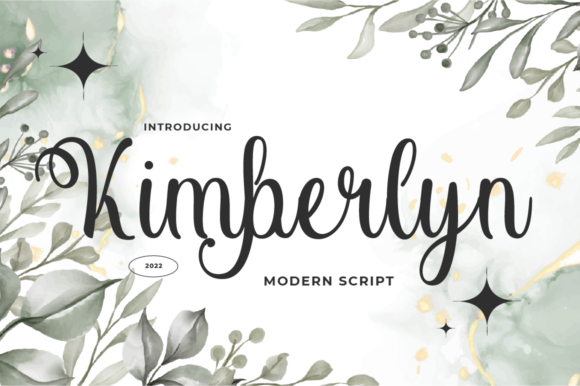
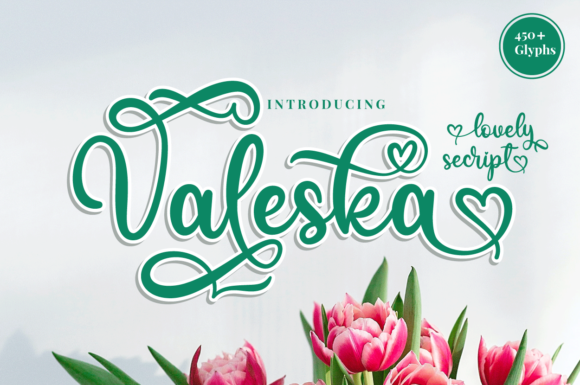
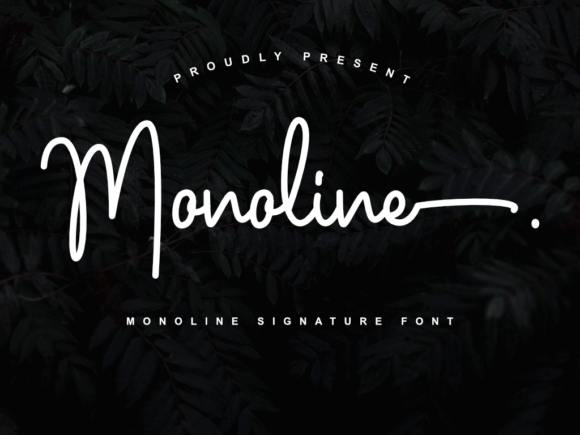
Monoline is a stylish signature script font. Its design is rooted in the elegance of a single, continuous line weight, giving each letterform a sense of fluidity and intention. It’s the kind of typeface that doesn’t just spell out a name; it performs it. The lines give the impression of elegance and luxury, making it a strong candidate for projects where you want to convey sophistication without feeling stuffy or overly formal. Think of it as a visual handshake—it sets the tone before a single word of your content is read.
Understanding the Font's Personality and Visual Appeal
What makes Monoline stand out in a crowded field of script fonts and handwritten fonts? It comes down to consistency and character. Unlike some display fonts that rely on dramatic, unpredictable swashes, Monoline's charm lies in its balanced, flowing curves. Each letter connects with a natural rhythm, creating a cohesive wordmark that feels both personal and polished. This isn't a font that screams for attention with chaotic energy; it commands it with quiet confidence.
The visual appeal of a premium font like this is in its versatility. It can lean into a luxury aesthetic for a high-end boutique, but with the right color palette and layout, it can also feel approachable and warm for a wedding invitation or a lifestyle blog. Its strength is in its ability to adapt to the context it's placed in. For a designer or a small business owner, this means you're not buying a one-trick pony. You're investing in a creative font that can serve multiple roles across your brand's ecosystem, from your primary logo to the watermark on your digital products.
Practical Applications: Where Monoline Truly Shines
Knowing a font is pretty is one thing. Knowing exactly how to use it is where the real value lies. Let's break down some of the most effective and practical applications for a typeface like Monoline, moving beyond theory and into real-world projects.
- Logo Design and Brand Marks: This is Monoline's sweet spot. Its signature style is perfect for creating a memorable logotype for a personal brand, a boutique agency, or a product line. It instantly communicates a human touch, which is invaluable in an age of digital anonymity. Imagine it as the centerpiece of a logo for a photographer, a calligrapher, or a bespoke jewelry maker.
- Packaging and Labels: In packaging design, typography is a silent salesperson. Monoline can elevate the perceived value of a product. Use it for the name of a artisanal candle, a gourmet food item, or a skincare line. The elegant script suggests care, quality, and a story behind the product, which can be a powerful differentiator on a crowded shelf.
- Social Media Graphics and Web Design: Consistency is key in digital spaces. Using Monoline for your Instagram story highlights, quote graphics, or website hero banners creates a strong visual identity that your audience will learn to recognize. It pairs beautifully with clean sans serif fonts for body text, creating a modern typography hierarchy that is both stylish and readable.
- Print Materials and Marketing Assets: From business cards and letterheads to posters and flyers, Monoline adds a touch of class. For a real estate agent, a boutique hotel, or a event planner, using this font on marketing collateral reinforces a brand image of professionalism and elegance. It works exceptionally well for headlines and pull quotes in editorial design.
- Invitations and Digital Products: For crafters, hobbyists, or entrepreneurs selling templates, Monoline is a gem. It's ideal for wedding invitations, greeting cards, thank you notes, and digital planners. Its readability at various sizes makes it a practical choice for both large display text and smaller, elegant captions.
Pairing, Readability, and Making It Work for Your Project
Choosing a beautiful script font is only half the battle. The other half is ensuring it works harmoniously within your overall design and remains legible to your audience. Here’s some practical advice on implementation.
Font Pairing is Critical. A flowing script like Monoline needs a strong, stable partner. For most projects, you'll want to pair it with a clean, geometric sans serif font or a classic serif font for body copy. The contrast creates visual interest and ensures your message is easy to read. Avoid pairing it with another ornate or handwritten font, as this can create visual chaos. Test your pairings by placing a headline in Monoline next to a paragraph in your chosen body font. Does it feel balanced? Does one font overpower the other?
Readability Considerations. While Monoline is designed for clarity, context matters. It works best for short bursts of text: logos, headings, taglines, and call-to-action phrases. For long-form paragraphs, always opt for a highly legible serif or sans serif font. Also, consider the size and color contrast. A dark Monoline headline on a light background will always be more legible than a light script on a busy photo. Always do a final check on the devices your audience will use—what looks elegant on a desktop monitor might be challenging to read on a small smartphone screen.
Review the Included Styles. When you invest in a commercial font like Monoline, explore the full package. Does it include alternate characters, ligatures, or swashes? These extras can give you more creative control, allowing you to customize the look slightly for different applications. For example, a more elaborate swash might be perfect for a wedding invitation, while a simpler version might be better for a business card where clarity is paramount.
Licensing for Commercial Use. This is a non-negotiable step for any professional project. Ensure the font license you purchase covers your intended use. If you're designing a logo for a client, selling merchandise with the font, or using it in a digital product for sale, you need a commercial license. This isn't just a legal formality; it supports the type designers who create these tools and protects your business from potential issues down the line.
Enhancing Brand Recognition Through Thoughtful Typography
Ultimately, the goal of choosing a specific typeface like Monoline is to build a stronger, more recognizable brand. It's a representation of your brand’s personality, style, and values. When used consistently, it becomes a visual shortcut for your audience. They see that particular flow, those specific curves, and they immediately associate it with you and the quality you represent.
This isn't about following a design trend. It's about making a deliberate choice to communicate who you are. Whether you're a solopreneur crafting your first visual identity or a seasoned marketer refreshing a brand's look, the typography you select is a foundational decision. Monoline, with its blend of elegance, modernity, and approachability, offers a compelling tool for creating that strong visual identity. It helps your brand speak before it even says a word, leaving a lasting impression that is both professional and uniquely yours. In the end, the right font doesn't just decorate your message; it becomes an inseparable part of it.